
Subscribe to our YouTube channel here so you don’t miss an episode!
The second episode kicks off with our hosts sharing their stories of foster care and adoption. Co-host Carol Jenkins adopted her son, Mike, after fostering him when his family was disrupted.
Co-host David Ambroz shares his story on the other side of the foster care system: after living in homelessness for 11 years with his mother, he found “much of the abuse but less of the love” that his mother provided, with one exception in all his placements.
David initially didn’t want – and in many places, as a gay man, wasn’t allowed – to foster children, but a teen he was mentoring was in need of a foster family, and David became that family for him.
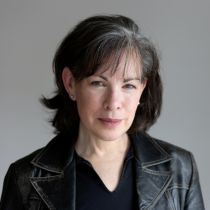
Their conversation is a great introduction to our first guest, Claudia Rowe. She talks to Carol and David about her book Wards of the State: The Long Shadow of American Foster Care.
“I knew it as data and research, and suddenly there it was in front me.”
The data shows:
But in front of Claudia, in a courtroom on trial for murder, was Maryanne.
“Foster care is a housing system. It needs to be reimagined as a healing system.”
We can do that by:
Claudia wrote this book “for people who don’t know anything about foster care.” Get it here.
Dr. Tiffany Younger joins us in studio to discuss her research. She has found that 70% of Black women are sole or primary breadwinners in their households, even though they’re making pennies on the dollar, making it difficult to obtain assets and thus grow wealth.
When discussing the pay gap or wealth gap, she says: “I’m interested in what Black women want that might not be what white men have.”
This idea led her to define wealth in these communities, shifting to participatory research, a paradigm where those she’s studying are her co-collaborators, not her “subjects.”
She found that to Black women, wealth means:
Particularly in the wellness space, Dr. Younger discusses the high rates of chronic illness among Black women. That issue touched her personally: Dr. Younger shared that when she was 3, she lost her biological mother to chronic illness.
Typical health initiatives focus on food and diet, which asks patients to control behavior, but it doesn’t take into account “weathering,” which is the additional stress of existing as a Black woman in a racist, sexist, etc. society. This wear and tear is responsible for bad health outcomes.
Dr. Younger started Liberation For Us, a project dedicated to addressing the data gap between race, gender, the economy, and health. Through this project, she collaborates with community-based organizations to understand, evaluate, and examine the relationship between the economy and health at the intersection of race and gender. Contact Dr. Younger via her website.
David Radcliffe, from The New School’s Institute on Race, Power and Political Economy, breaks down what baby bonds are and how they can close the wealth gap in this country.
“Money matters and having it matters more.”
What are baby bonds? Publicly funded and managed trust accounts for babies born who are covered by Medicaid. They're automatically enrolled into program where $3,200 is put into an account that is managed and invested by state treasurer. Over the course of the child’s life, it grows to between $11,000-20,000.
That money can be used for one of four wealth-building activities:
Connecticut is the first state in the country to take this from an academic idea to a legislative policy. In three years, 50,000 babies will have received a baby bond in that time. While that money is not released to the recipients until they are age 18, the idea of having that nest egg creates hope and optimism among the families, leading to better physical and mental health outcomes.
Balancing long-term thinking with immediate need through the “Four Core” strategies:
A note on the 530A accounts (nicknamed Trump accounts) becoming available July 4
Food insecurity among college students is at all-time high, and Katherine Ames is helping Hunter College tackle the problem head-on. Students can come by and get free groceries.
The pantry is open six days a week to all CUNY students, and students can drop in without having to make an appointment. Students can come once a day and have no need to provide “evidence” that they can’t afford food or are experiencing food insecurity.
In addition to shelf-stable foods, there are also halal and kosher options, as well as refrigerated items like milk, juice, as well as fresh produce and eggs. They also sometimes have household goods and pet food to help support students with pets.
Carol Jenkins: Well, thank you all so much for joiningus again for the Invisible Americans podcast. Carol Jenkins and my good friend,David Ambrose, who's out in L.A. And I'm in the studio in New York. We have agreat show with, you know, so many interesting people and topics. And one ofthem is foster care. And both David and I have been foster parents. I'll justtell my story first because it's shorter. During the mid 80s, during the AIDSand the drug epidemics in New York City, as well as the rest of the country, Imet on a news story. I was a reporter then. I met a small boy that I fell inlove with. He was 18 months old. And I and his family had been disrupted. And Ibecame his foster mother. And then several years later was able to actuallyadopt him.
Sowe were in the system. I understand that much of it as a foster mother and thecomplications. And he's now a great old, I don't want to call him an old guy,but he's a wonderful man. And I am so happy that I went through that. And he'smeant so much for, you know, completing our family. My daughter was the one whowas always calling up adoption agencies. She wanted a brother. she got abrother. So that was when she was only 10. So Mike, you know, is a part of ourfamily. So that's my foster care and adoption story. But, you know, David,yours from all ends is, you know, so harrowing and also so wonderful.
David Ambroz: Well, I don't think anyone's surprisedyou raised a daughter that was inquisitive at 10 and calling for resources. Sono one's surprised by that, Carol. Yeah, you know, I grew up homeless for 11years and in New York City, an experience from a different angle, the worldthat you describe where you met your son, I entered foster care and foster carefor me was a very jarring experience. I remember thinking I'm saved and then Iwent into a system that was really anything but. and came out of it the otherend worse for the wear. I always think about foster care is much of the abuse,but less of the love that my my mom provided. With one exception, I had oneremarkable family. I never intended to become a foster parent.
Andcandidly, when I was coming out of the system, it was pretty much illegal for agay man to foster and adopt in most places in the country. So just wasn't anoption. But like yourself, I met a young man. in the system who had a lot ofanger and a lot of issues, but also remarkable. And I started mentoring him.And then, you know, as these things happen, one thing led to another. And thenext thing I know, I am the very thing that I thought I would never be. whichis a father, and he is one of four brothers that came into my life, and theyare remarkable, challenging, wonderful, all older now, and I'm now also a son,I am a son, but I'm also a father to a toddler.
Fosteringchanged my life, both ends of it, the beginning as one and now providing thatlove The foster care system touches hundreds of thousands of children's livesevery year. And for too many of them, the transition out of care is one of thehardest moments of their lives. Understanding what goes wrong and what can goright is essential to changing these outcomes.
Carol Jenkins: Writer Claudia Rowe has spent yearsexamining the foster care system up close. Her book, Wards of the State, TheLong Shadow of American Foster Care, is a call to deeper accountability and adeeper commitment to the young people the system is meant to serve.
David Ambroz: Claudia, your book started in acourtroom in 2019 watching a 19-year-old named Mary Ann Atkins, who'd grown upin foster care, be sentenced for murder. And I wonder, what was it about thatmoment that told you this was a book and not just a story?
Claudia Rowe: Two things. The first thing is veryephemeral. It's a physical feeling. And I'm sure anyone who's written a bookfeels it like there's that shiver of recognition. You just feel this is yourbook. The reason, I think, is that I knew so much data and research andinformation about the outcomes from foster care in the lives of young adults. Iknew it as data and research, and then suddenly there it was in front of me.You know, some years later, this data had been in the back of my mind for a decade,and then it was all there in Marianne's story. I had not been planning to writea book about foster care. I was looking at youth crime and then I realized, oh,this youth crime story I'm looking at, this is a foster care story.
David Ambroz: Yeah. I mean, talk about data. I thinkone of the statistics that you talk about 59 percent of kids who age out orleave foster care will be locked up by age 26. And that really stayed with me.I came through the child welfare system myself. And that is not a number. Thoseare faces I remember. And it's utterly devastating to realize it's almost twothirds of kids. What is this mechanism that is so reliably producing thatoutcome?
Claudia Rowe: Well one of the things that's soimportant to understand is a huge portion of that number you cited that 59%will have been locked up by their mid-20s, for a great many of them it's whilethey're being They're parented by the state, they're locked up in juveniledetention. And the mechanism for that is the research in the book kind of laysout four paths that are sort of part of almost every adolescents foster careexperience. and they seem to lead right to lockup and they are running away. Incrediblycommon behavior, running from a placement.
Alot of people don't understand for many youth, as you know, it's running towardrather than away. You know, you're looking for your parent who might be on thestreet or your siblings who you've been separated from or other kids on thestreet like you, but you're likely to get hungry when you're out there with nomoney. You shoplift, you're going to juvie or you're trafficked, likely goingto juvie. So running is a really common experience for adolescents in fostercare. Group homes, if you're not adopted or reunited with your original family,group homes. A lot of kids steal from one another in group homes, very violent.Staff call the police, you're going to juvie.
Sothose are two mechanisms that are like while you're still in care that seem tolead often to lock up. Then broken adoptions. A lot of people don't realize thenumber of kids who are adopted out of foster care, which is part of fostercare, stated aim, permanence, finding a permanent family. But a lot of thosearrangements fall apart pretty quickly. That happened to Marianne. And I wasreally struck by the number of young people who reported some kind ofexperience with lockup who also had broken adoptions. Really interesting areato research. The federal government didn't even systematically track failedadoptions from foster care until like 2010. It's pretty recent. The system hasnot publicly confronted those numbers.
Carol Jenkins: Claudia, David, because of hisexperience, thinks it's because it's easy to give it back, you know, to give anadopted child back, you know, when things get difficult.
Claudia Rowe: I think so many kids, includingMarianne, including even myself, I didn't know. I think a lot of people don'tknow. You can be unadopted. You know, Marianne had no idea. She was shockedthat even though she had given her adoptive family a lot of trouble, She scaredthem. But in many ways, I think she was testing them. How much do you love me?Right. And maybe not that much. I mean, they gave her back within two years.
Carol Jenkins: Yeah. Tell us why she was in jail,though. I mean, the story was incredible. Something that she did at 16.
Claudia Rowe: Right, so Marianne was known as achronic runner. And in fact, her last placement her last after her adoptionfell apart, and her adoptive parents had severed their legal responsibility forher she was taken back into the system, placed in a new foster home with sortof a group home. It was not officially a group home but there were about sixteenage girls there. This was in fact her favorite placement. She loved thatfoster parent and she loved the girl she was with and yet She was a chronicrunner. She ran from that placement all the time, often with one of the girlswho was there with her.
Sothey would hit the streets. And it was during one of those periods that she metup with the guy she eventually shot in the head. So she was on the run from herplacement. a lot of questions about what this guy who was an adult, yes, ayoung adult, he was 21, she was 16. If their ages had been slightly different,there might've been a statutory rape situation, but because she was 16 and shehad been 16 for like two or three weeks, she was barely 16, that over the linedate affected a lot of things with her case. She was automatically charged asan adult because she was 16 when she shot this guy.
Sobecause of her age and the seriousness of her crime, and that resulted in adultcharges, adult sentence. Had she been 15, had it been a couple of weeksearlier, there would have been a hearing to determine whether an adult chargewas appropriate. Marianne's defense team attempted to make the argument thatfoster care and her experience in it, which was a really typical experience,about a half dozen placements, broken adoption, running, really standard stufffor a lot of adolescents. Her team was attempting to say, foster care bearssome responsibility for what she did. And even the judge, while sentencing her,rejecting their argument, but still said, yeah, mistakes were made. And that'sin fact what he said, the state does bear some responsibility.
David Ambroz: I think tying it to what we talk abouta lot on this pod is poverty, right? And one statistic that is out pretty clearis that poverty is a feeder system into foster care. Two thirds of the kidsentering the system are there for neglect, which in many instances is about theparents not being able to take care of their kid. Talk a little bit about thatkind of twin system of criminalizing poverty and how that leads to the outcomesyou so beautifully exposed in this book.
Claudia Rowe: There are no middle-class kids infoster care. There are no affluent kids in foster care. We all knowmiddle-class or affluent kids who are abused or neglected. I do, many of us do.It's not like these things don't happen in more affluent homes. It's sort ofreally about when, I think when the system says neglect, they often meanmaterial neglect, right? So affluent kids are gonna have enough to eat. They'regonna have a place to sleep even though it might be less than ideal withintheir home. That is not what the system is addressing. The system is aimedsquarely and entirely at poor kids, right or wrong, that's the fact. I found areally interesting bit of data when I was researching the book that showed ofall the families in Washington State who had kids in the foster care system,all of them were earning $40,000 a year or less.
Mostof them were getting by on $20,000 a year or less. Every family with a kid inthe system that, I mean, it's a little bit old, that's from the early 2000s. Sothose numbers would be slightly higher now, but that I thought was reallyinteresting. And I also found some fascinating data that showed in states thathave implemented more restrictive welfare policies in more recent years, adramatic spike in the number of referrals to foster care and intakes intofoster care, like a 13% increase in foster care intakes in states that beganimplementing more restrictive welfare policies. So poverty inextricably tiedin.
David Ambroz: A hundred percent. And I think the ideaof taking a kid out of the parent's custody because they can't make the billsand then spending six figures to keep the kid in the system while putting theparent through the wringer and damaging the kid at the tail end is botheconomically and morally bankrupt. It doesn't make sense as a financial modelto criminalize poverty that way, nevermind family. Breaking up families shouldbe a coveted power of the state, and it seems we use it not sparingly enough,especially in communities that are hyper-vigilized, like you mentioned, botheconomic, but often economics in our society is a proxy for race. When youshake an apple tree, my sister says she's a social worker, apples fall.
Andit's not that kids aren't experiencing poverty or aren't abused in thesecommunities. It's that we're standing there rabidly shaking this tree and thenwe're observing the apples fall while other trees stand around us unexamined.So it, you know, maybe it's a, the metaphor went too far. We're now talkingabout applesauce, but I really appreciated the way you talk about theconnection between income and outcomes.
Carol Jenkins: Right. Congratulations on this bookbecause, you know, as many people, when we talk about child poverty and we seethat the unhoused living in David's town, L.A. and here in New York, where Iam, and people always say, well, where do all of these people come from? And,you know, as you point out, it's the foster care system, you know, so many ofthem. Now, you think that the foster care system needs to be held accountable,if I'm reading you correctly, you know, that they've gotten away, in a sense,with all of these millions of people by now whose lives have been wrecked, in asense, within the system. And, you know, so talk to us about that in terms ofaccountability.
Claudia Rowe: Yeah, when I think about foster care,really, What it really is, is a holding system, or you could say a housingsystem. It's a housing system for kids who can't theoretically be housed safelywith their biological families. So it's a place where we put a bed and a roofover a kid. That's essentially what foster care is. It's a housing system. Ithink that it needs to be reconceived, re-imagined as a healing system, atherapeutic intervention, because every single kid in that system has experiencedsome kind of trauma, even simply by being taken into the system and movedaround, mostly with strangers.
Asyou know, huge numbers of children in the foster care system are drugged,right? Their behavior is managed with cocktails of psychotropic drugs,anti-anxiety, anti-psychotic, drugs to sleep, antidepressants, all drugs neverformulated for use on children. But enormous numbers of kids, including theyoung people in my book, have been sort of monitored and modulated on drugs fortheir childhood, right? So if foster care, I mean, I thought it was reallyfascinating that every young person that I spoke to in the book All of them hadhorrible experiences in foster care, and yet all of them said there needs to besome system. They were not abolitionists. They are all saying, yeah, they, forthe most part, I think all of them, could not be safe at home. They needed tobe removed for various reasons. But yet none of them felt that the way fostercare operates was working.
AndI think that the impermanence, even though foster care says its aim ispermanence, reuniting or adoption, the reality of foster care is impermanence,is constantly moving from home to home to home, never forming any attachmentreally to anyone in the system, sort of actively encourages that it discouragesattachment both structurally by moving kids around and like literallyexplicitly that as you know turns out to be really, really detrimental tomental health, to kids' healthy development. Their brains, all of our brains,like all people to develop need attachment. And this is why there are so manybehavior problems among youth in foster care, and it goes to homelessness andincarceration.
Carol Jenkins: Yeah, I love that you propose somesolutions here. You know, one is, you know, David and I were talking about thesurly kinship care. Do you want to talk a little bit about that? It had beenprohibited that people who were related to a child could be paid to care forthem. You know, do you think that this needs to be enhanced?
Claudia Rowe: I don't think kinship care is a perfectmiracle, but I think it's sort of The practice of the government giving kin,family members, the foster care support that is typically given to strangerswho are taking kids. Now, really in the last five years as it really ramped upwhere states around the country are increasingly allowing kin, a relative, tobecome licensed as a foster parent just for their grandchild or niece ornephew, just for their relative. That is new. So instead of a grandma taking inher grandparent, her grandchildren, you know, and sort of draining herretirement savings, which has been the practice for decades. Now, stategovernments, particularly Washington state, is way out on this, is saying, youknow, Yes, we will give that stipend to your grandparent to take care of you,kid. So that's better. And it's fascinating that that is seen as like, wow,revolutionary and new.
Butyeah, Carol, as you say, I think that the original thinking sort of on the partof state child welfare agencies was, oh, if your family is troubled, yourimmediate family, like everyone, you know, everyone, all your relatives introuble to your grandmother made that woman who abused you, right? Your ownmother. So why would we give you to your grandmother? OK, I guess I couldfollow that logic, except that it it doesn't take into account. I mean, theidea was sever that child's ugly past and plunk them down into this fresh newworld with a stranger as if kids don't have hearts or memories, right? This isnot how people work. They have ties. Children have memories, they have ties,there's biological bonding.
SoI just think that that did not take reality into account, like the reality ofwhat it is to be human and human brain science. So kinship care, better. Thereare many models of many efforts now being tried that are better, likeguaranteed basic income for kids who age out. David, where you are inCalifornia, there's a pretty interesting pilot going on there. There are a lotof reforms. Quality Parenting Initiative is an effort also out of California tobetter recruit, train, and match foster parents with a child. sort of on thelet's encourage a good connection, a good attachment. Let's have the fosterparent not be just a babysitter way station, but actually a formative part ofthat kid's life, an intentional part of that kid's life.
David Ambroz: I'm actually excited where we arecollectively. We are trying new things. We're questioning assumptions. Youknow, jumping back to Ken for a second. Most foster kids go home. most fosterkids will go home, either during their adolescence or after they turn 18. Theywill go back to where they're from. And so this idea of permanently writing offfamily is just absurd, because that family ultimately is gonna be the safetynet for this kid, whether we like that or not. And then second, statistically,kids are better off with their family. Not necessarily the perpetrator ofviolence or neglect, but in general, their kin. And I think third, and I'mcurious your take on this, we often talk about the system.
Andin my head, I'm picturing this blob of an alien from a movie that's out theresomewhere, the system. When in reality, everyone listening to this and everyonethat should listen to this is the system. We are Soylent Green. We are thesystem. We have to vote on this issue as if it matters, as if it's fundamentalbecause these kids are our kids. I'm just curious, how do you talk to folksabout the system and get them to have any sense of responsibility? Is itstatistics? How have you bridged that gap between people saying, those peoplethat I have nothing to do with and the terrible work they're doing? How do youbridge that?
Claudia Rowe: I wrote this book for people who don'tknow anything about foster care, exactly as you say, who think they don't knowany kid in the system. They don't have kids in the system. They've never hadany connection to the system, they think. However, anyone who pays taxes inthis country is connected to foster care. We're spending $34 billion in the USon foster care every year. $34 billion for outcomes that are mostlyhomelessness and incarceration. you know, even more expensive systems. Just,that's insane. So that's, I make the, I connect to people two ways. Either it'sthrough the story, I mean, the stories of young people really They have power.Humans respond to stories. A real human living these realities forever willhave power. It does have power.
However,for those who go, oh yeah, those bad kids, those people with no empathy,they're sociopaths, whatever you want to say about kids who have anyinvolvement with crime or homelessness, I will pivot and say, OK, if it's not amoral question for you, you know, maybe it's a financial question. Do you wantto spend thirty four billion dollars a year for a system that is channelingkids into locked cells and street homelessness? Is is that a good return oninvestment? You know, I will make that sort of dollars and cents arguments forpeople. But I know, David, we are at a moment We're at like a powerful momentof this connect the dots thing is landing. This thing of, hey, foster care,which is almost like an invisible system because everyone in it is a minor, ispowering these incredibly visible systems, homelessness and our carceralsystem, highly visible. This connect the dots thing, people get it nowsuddenly.
David Ambroz: The relationship between economicsecurity and physical health is one of the most important and unexplored areasin medicine today. Dr. Tiffany Younger is a clinical scientist and postdoctoralfellow at Yale Medical School, doing pioneering work at exactly thatintersection.
Carol Jenkins: Her research focuses in particular onblack women in America, looking at how wealth, stress, and health outcomesconnect, and what interventions could actually make a difference. So Dr.Younger, thank you so much for being here with us today. Thank you for invitingme. The topic of Black women, very much in the news and in the publicdiscourse, concern about Black women in the United States of America, and thisis your research. Tell us, shouldn't it be concern?
Dr. Tiffany Younger: We absolutely should be concerned. Whatwe see right now is what I want to say, like a structural impact on Black womenin jobs, Black women being able to take care of their families, and Black womenbeing able to build wealth. So we should absolutely be concerned as a nation.
Carol Jenkins: And when you say building wealth, whatare you looking at? We know that you have so many degrees, so you're looking atit from an analytical data perspective, not just, oh, you know, this looks bad.It's that you're seeing the numbers.
Dr. Tiffany Younger: Right now, Black women, well, let'sstart off with like 70% of Black women are sole or primary black women of theirhousehold. So that means even when Black men or a spouse is there, Black womenare 70% more likely to be a sole or primary black woman. That impacts children,first of all, right? That impacts our community. The second thing is that Blackwomen, when it comes to wealth, pennies on the dollar. Pennies on the dollarcompared to white men, compared to even white women in some cases. And so whenwe think about wealth, we think about assets, we think about debt. We thinkabout assets that contribute to your health. And debt, that doesn't take youout.
Carol Jenkins: Right, right, right. And that is, youknow, I had in the women's rights field that I spent so much time in. Wheneverthe equal pay day comes around, it drives me crazy. I kept saying, will youplease stop? It hasn't changed, even by a penny, you know, in year after yearof calculating what a black woman or a Latino woman or an Asian woman earnscompared to a white man is what the standard, you know, is of calculatingincome and what
Dr. Tiffany Younger: I'm happy that you said that. I don'tlike measuring gaps. I understand the importance of it. A lot of my colleaguesand economists I respect greatly, they measure gaps because that's what we needto do in order to get the data out. But to your point, I'm interested inknowing what black women want that might not be what white men have. Wow. Nowthere's a powerful piece. Go on, Dr. Young. Yeah, well, because this reallystarted because of my research, you know, and my research was really justasking Black women initially, like, what is Wells? You know, it was supposed tobe a quantitative data, which means that I was supposed to just get a survey,get the numbers.
Andwhat I ran into was they would ask me, what do you mean by Wells? And as aresearcher and a scientist, that's problematic for me, because if we are nothaving the same definitions of wealth as the measurements, it becomes extremelyconcerning. Because what are we quantifying if we are not aspiring for thething that the economists are actually like quantifying, right? So when I thinkabout wealth, the wealth data oftentimes talks about homeownership. The wealthdata often talks about entrepreneurship, stocks. Black women don't even play inthe stock market the same way. And so those are like the top measurements that,from my research, I've seen Black women not participate in.
Carol Jenkins: David, we let you into the conversationhere. I think it's that definition of what are we talking about? What do wewant?
David Ambroz: That statement is just echoing in myhead. I'm really fascinated by the work that you do, and even more so theapproach you take. You're not pathologizing the people you're studying. Youinvolve them as partners, not subjects. That's a really different way of doingscience. And I was curious if you'd talk a little bit more about what doesparticipatory research look like in your practice? And what do you think otherscan learn from it to kind of reveal more truth or information?
Dr. Tiffany Younger: Yeah, no, thank you for that question,David, because it's absolutely not subject-based, right? So I love that youpointed that out. We don't see our participants as subjects, but asco-collaborators. Like, I cannot do my job if they do not participate. BecauseI understand my job is based off of researching with Black women, children,with families, they are important. And I think that sometimes we take fundersbeing the number one priority and not the actual people that we're engagingwith research.
Andso I've had to learn how to shift the paradigm a little bit and center thefamilies, the Black women, even their children, right? Because oftentimesthey're getting on the screen and from the streets, and they are with theirkids in the back. And even when we paid them $100, $150, they still don't havethe capacity to stop and engage in a way that science would save me. So as ascientist, I'm like, I want to study people in their environment. I don't wantto subject them to my environment, which is control.
David Ambroz: I mean, you said it. I would like tojust delve in a little bit more. I mean, you teach at Columbia, at Hunter, atPenn. You have a daughter. And which all of this, as I understand, it meansyou're doing this work from inside the communities you're studying. And I'mjust curious how that shapes your sense of urgency and honestly kind of whatkeeps you going. I mean, this, this, this is some hard study. This is some hardinformation, some hard systems that you're, you're delving into. How does thatshape your work and how do you keep it? How do you keep yourself motivated andgoing?
Dr. Tiffany Younger: Yeah. Thank you, Debbie. This is yourresearch. And the biggest role I have was being a postdoc at Yale School ofMedicine, which is like my full-time gig. And so I'm happy that you mentionedmy teaching, right? No, because I tell folks all the time, it is my commitmentto train the next cohort, the next generation of researchers, of socialworkers, of practitioners. Like that is my job, right? So even outside of theresearch, it is being committed to making sure that students understand theplaying field a little bit.
Andso to answer your question, I think about to whom much is given, much isrequired. And we are in a tough time right now, right? It is so easy for me togo lay down and just be like, forget it. But I think about my grandmother, whowas a Black woman who raised grandchildren after her after her children died.She could have said, forget it. She took six kids in after her two daughtersdied. One, maybe one of them.
Carol Jenkins: And you write about your life. You werea child of a disrupted family. And you went through, I don't know whether it'sdefined as child poverty, but it is. You know, talk to us about that.
Dr. Tiffany Younger: Yeah, and I tell people all the time, myresearch, my work comes from what I've experienced, and that's the first thingI come from. Everybody looked like a fancy degree, so I was like, I haven'tseen a single thing I haven't seen since I was a spuddle. Like, wow, I gotfigured out, yummy. Like, same thing, just fancy work, right? So when I wasthree years old, my ideological mother died, and she was 32, from a cranialthalamus check, kidney issues. And I didn't, you know, I think that subconsciouslywas what drove me. Her and my dad were married. My dad ended up leaving. He gotaddicted to drugs. He actually recently passed during COVID-19 on CPOV. Andthen he also contracted COVID. So he died. So I have two parents who have died.And me and my siblings, I have two older siblings. Now, I think about where Iam today.
AndI think people always talk about how smart I am. And I'm like, smartness is onefactor. But if you don't have open doors, there's nowhere you can go. And so atan early age, I attracted a lot of mentors, right? Lawyers. I thought I wantedto be an attorney at one point. I don't. And so, you know, two lawyers fromColumbia University, which one ended up adopting me, my mom. She was a youngBlack woman in Harlem, and she was introduced to me. And she always says, Ijust fell in love with you because I only have boys. Three, so she has threesons that she adopted you.
Andshe took me in, adopted me. She has been instrumental in my life. She doesn'tplay about me. I was like, you know, I really didn't come out of you, right?I'm on top of my baby. She really swore I came out of her. But very importantthat I think about those assets. Because there are young people back home whereI'm from who were just as smart as me, I can name a few, if not smarter, whodid well, who are still where they are. And I question, was it only hard work?Was it only intellect? You can't run on a treadmill or go anywhere if it's notmoving. You have to have a goal. And so that is my commitment, and that's why Icontinue to do that.
David Ambroz: Wow.
Carol Jenkins: So talk to us about how Black women dodefine wealth. You've found a difference.
Dr. Tiffany Younger: Yeah, and interestingly, I tell peopleall the time, we still want our money, right? Like, we still owe recreationsand we still want to be paid a living wage. But interestingly, what I found isthat they define wealth as wellness, which is, people always think money equalswellness. But after I did my research, I had high pay and earned women in someof my studies. I have a woman with wealth who said some of this income istoxic. Right. Like I'm working at a corporate America. They driving me crazy.I'd rather just work at home and make $40,000. So they are talking about that.Their wealth has to contribute to that one. It shouldn't deplete it. One otherthing is agency. That's about choice. And when you have, when people say, well,wealth would equal that.
Again,not with structural racism, not with gender, anti-gender, black or racism. Itdoesn't equal choice. So even if you have high earning people, big assets,their choices are linked. They see it as community. I don't wealth ascommunity. Wealth as, like their community is healthy and well. Like most ofthem always talk about the neighbors, the family. It's never oftentimes onlyabout them. They want to see people around them and their communities doingwell. And so those are just some of the three top ones. And my research isreally trying to dig in to say, well, what does that look like? Because I'mlike, well, what would go this? What would community look like? Because that'swhere I can come in and propose policy solutions.
Carol Jenkins: Well, Black maternal health would be oneissue. Yes. The death rates from every conceivable disease that are so muchhigher in our category than anywhere else.
Dr. Tiffany Younger: One of my degrees is clinicalepidemiology, and I remember during COVID-19, I was in what we call a T32training program, and I worked with all physicians. So this left me and like 17physicians, they got called to the front line. And what I saw happen, becausewhat we don't understand is that we contract chronic illnesses at such highrates. And what we focus on is food and diet. So we're trying to controlbehaviors. Like, if you just eat bad, right? If you just work out, right? I amno skinny, healthy woman who have heart disease or a black woman who have allthe education in the world. So these are, is it true? What is actuallyhappening to us? It's about weathering. It is the wear and tear of the stresson our bodies and our hearts.
Carol Jenkins: And our mind. And our mind. Right,right. So weathering is the term that, you know, accounts for Black women dyingearlier, being more susceptible to all kinds of diseases. It's the stress ofracism and… Sassism.
Dr. Tiffany Younger: Sexism. Mm-hmm. Old-ism, right? Becausewhen you think about folks within the LGBTQ community who also identify withbeing Black and also identify with being a woman, trans, Black woman, we thinkabout class. And you poor? Tupac said that, right? And you poor. Like, all ofthat, and you poor. And so all of those isms together. And I think people arealways like, well, like, how does it work? And I'm like, it's simple as I gointo work. And oftentimes, people don't know that they're doing it. But thethings that you expect of me as a Black to take care of viewing your films,right? I'm like, my job is to do my job. And then I wonder, why don't you go toCarter and ask him to do that? Why is it that you always feel comfortable withme taking care of their feelings? It's like this expectation. I don't want toseem harsh, but I want to think about if I have to carry the emotional load ontop of the mental load at work, on top of all the other loads, there will be awear and tear on my body, on our bodies, right?
Onour orbits, on our, you know, thinking about it. You go home and you thinkabout it. You know, I wake up in the morning, when I used to work inside ofnon-profit, I used to receive all of these emails about people not coming in.But they would be like such vivid, sad stories. And that's how I would have tostart my morning. Now, credit to them is that we don't have a system where youjust say, I can't come in today. You got to give a long excuse. I would readthese long excuses. Is your mom OK? Is your daughter OK? That's what I wascarrying before I went in.
David Ambroz: Uh, um, you founded a project calledliberation for us. And I think it's just a striking name for a researchproject. It really jumped out at me. I looked at kind of what you do, and Ithink liberation as a scientific framework is really interesting. And I wascurious, why did you name it that way? It sort of speaks to what you're justtalking about, but why does it matter how we named this kind of work?
Dr. Tiffany Younger: Yeah, you know, Liberation for Us isdefinitely a space where I collaborate with outside organizations to think ofour research in a different way. I think I use my institutional knowledge atYale to say, okay, let me help y'all think about this. And to be very frank, toalso credit their research when it's community-based. We don't like to givecommunity-based research credit in the way that we like to give otherscientific research. And I mean deliberation for us because I'm like, when I'mtalking about black women, I'm talking about every single Cuban being in thiscountry.
Andif we are not free, you are not free. And if you understand the history of ourcountry, they come for one, they come for all. Before we were even on thisnation, poor white people were working. and not making money. And then we wentand got slaves. So we are all attached. And so when I say liberation for us,it's that it's not only for Black women. It's that we start with Black womenbecause we have the least amount of power, the least amount of capital, theleast amount of everything. And when we can figure out what they need, we wouldall benefit from it. Because we'll get it. We'll get it. It's not just forthem. It's for all of us.
David Ambroz: The wealth gap in America is somethingmost people haven't fully reckoned with, and closing it requires big creativethinking, one promising idea gaining serious traction, baby bonds, seeding asavings account for children born into low-income families, giving them afoundation to build on.
Carol Jenkins: David Radcliffe at the New School'sInstitute on Race, Power, and Political Economy has spent his career developingthe research and the policy framework behind Baby Bonds. He is one of theleading voices making the case for why this could work.
David Ambroz: David, you grew up in a small factorytown in Appalachia, Pennsylvania, and now you're one of the leading architectsof Baby Bonds, which we'll talk about. How does where you came from shape howyou think about financial security for families, for individuals in thiscountry?
David Radcliffe: Well, appreciate you all having me on.And it's a great question. And growing up, and I think it's true for many ofus, we don't think about our economic circumstances necessarily, because we'rejust living our lives. And it didn't occur to me until I came to Connecticutafter college when I reflected on my growing up. It was a small town, 2,000people, factory town. And things felt pretty good in the moment until thefactory closed. And it was economically devastating, but also very hard onfamilies and stressful. And I've come to appreciate that, you know, moneymatters and having it matters more. And the effect that can have on ourrelationships, on our families and communities can be profound. And I've cometo also appreciate that we get to choose. This economy is not from outer space.It's something that we get to design and the choices that we make can affectand for the better on the families that we love and support.
David Ambroz: Just for our listeners who are hearingthe phrase baby bonds for the first time, which sounds like a wrestler, talk alittle bit about it. So Connecticut puts money into an account for babies. Talkus through what it is, who qualifies and what the theory is.
David Radcliffe: Yeah, baby bonds, they are publiclyfunded and managed trust accounts. And in the example that you noted here inConnecticut, we're the first state in the country to have this program. Andwhat it means is that if your birth is covered by Medicaid, and in this state,that means a family of three, it's an income of about $37,000 a year. That'sabout $700 a week. uh, you are automatically enrolled in a baby bond. And sothe state of Connecticut puts on, puts in $3,200 that's managed and invested bythe state treasurer and with interest earnings that grows between, uh, 11 and$20,000. And you can use it then for one of four wealth building activities tobuy a home in the state, to start or invest in a business, to put it intoretirement or towards hopefully debt-free post-secondary experience.
Carol Jenkins: So David, I like to think of you as thefather, the dad of baby bonds, because you helped Connecticut get it. Youunderstand it. And I think that there are something like 20 other states whoare attempting it, but Connecticut is still the only state that's actually putit into place. And that was 2023. So tell us about who's in it and how it'sworking.
David Radcliffe: Yeah. And to be fair, there are manymoms and dads and others bring this to life.
Carol Jenkins: In my heart, though, you're the dad.
David Radcliffe: Right. Yeah. But yeah, I mean, it's alesson, though, to that, you know, it's one thing to have a good idea, butoften to bring it to life, it takes a team. And it was a great case study inConnecticut on what actually helped get it from an academic idea, which iscreated by economist Eric Hamilton, and to actually have it become legislativepolicy where the resources are benefiting real young people who are being bornevery day. And it is so it's still a new program. It'll have its three yearanniversary this July 1st. And by then, about 50000 babies will automaticallyreceive their baby part.
Andnow the actual economic the distribution won't take place until that youngperson turns 18. But we are also knowing and seeing, and the evidence iscompelling that, even just knowing that resource will be there for you canchange in the nearer term, one's sense of optimism and hopefulness and futureplanning, and can also lead to better maternal and health outcomes, and alsofor the young people.
Carol Jenkins: So the use of the bonds can be for manythings, for education and also for buying a home. Because I think as I look atthe statistics, the difference in the wealth gap between those who have andthose who have not is usually home ownership. Can you talk to us a little bitabout that?
David Radcliffe: Yeah, and you've teed up nicely thisnotion that we often think of how important income is, and it is essential toafford our lives to be able to get through the day. We need a flow of resourcesinto our homes so we can eat and pay the utility bills and so forth. And inthis time where affordability is so top of mind, income is a thing, and we needto do better at that. I know in a previous episode, you had a guest, HollyFogle, who talked about her incredibly important work, the Bridge Project, thatprovides direct cash, invests direct cash in folks who are struggling to makeends meet.
Andso that's income with the flow of resources. Wealth is another dimension thatwe don't always think about. And when I talk about wealth, it's not necessarilybeing able to buy a helicopter or having a swimming pool, though that cansometimes be what the public sees. But wealth really is having a stock ofresources. It's like a reserve so that I can afford a down payment on a home,or I can weather an economic shock, or a pandemic, or to choose a communitythat I live in. So whereas income is a flow, wealth is a stock. And that's whatbaby bonds does in terms of policy perspective. It democratizes wealth. forthose who may not have the benefit of an inheritance or a trust account.
David Ambroz: You know, I think the distinctionbetween wealth and income is so important, and not just to purchase things, butto survive unexpected things, you know, the pandemic or an illness in thefamily or some sort of crisis. When you think about kind of long-term thinking,I've always described poverty as, you know, the inability to think long-termbecause you're sort of just being to survive the moment. So how do you kind oftalk about this when you're facing a population that may have more immediateneeds? How do you justify it in a policy perspective when there never seems tobe enough to deal with the immediacy of the needs? How have you articulatedthat for folks?
David Radcliffe: That was a great question. And it doescome up with legislators and budget setters who represent constituents. Andconstituents are us and our neighbors, folks, as you note, who are just tryingto afford their lives just to be able to get by at the very least. theopportunity really is to recognize that we need to do more to help folks in theimmediate, in the near term. We want and deserve affordable, quality, earlycare and education for our children, or housing, quality and affordable, healthcare,all the things that we need to have a full life. Oftentimes though, that isjust, that's the floor. Those are basics. Those are rights that we are entitledto and have earned.
Butif we are always on the treadmill of just helping people get by, and when I saywe, that's us, our electeds, our communities, then we will forever be just onthat treadmill, just helping to get by. And the difference maker to our way ofthinking is that it's access to capital. is a difference maker. And if we cando both, and we can, because we saw it during the pandemic, where we were ableto help folks get by with direct cash distributions from the government toprovide wages, to help with healthcare and so forth. But additionally, to beable to provide seed capital for those who aren't born with it, unlocksopportunity in our economy in ways that just income and getting by alone won't.
David Ambroz: I also think it's a great policybecause the public investment today of a dollar turns into $3. So the moneywe're putting forward at a lower level becomes something much more impactful asthe kids age, which doesn't cost us anything. So it's a great ROI, return oninvestment for the public dollar when you're able to have that impact at thehigher level for a much lower cost. and combined with other programs likeaffordable education or access to healthcare, you really do interrupt the cycleof poverty that is our birthright if you're born into poverty in this country.It's an innovative way, I think, to maximize our public dollar and investment.
AndI've seen that push and pull of like, do we fund the immediate need or do wethink long-term? And the critical thing in this country is we can do both. Wecan do both. We don't have to choose. People are worth the investment. I thinkthat is a false choice, and I think you've spoken to the answer to it. But thereality, I think, in this country, the richest country on earth, is we don'thave to choose. We can do both.
Carol Jenkins: Yeah, David, talk to us about Vermont,because to me, that gives me the most hope working with Holly Fogle and theBridge Project in Vermont and doing many things, you know, the guaranteedincome as well as diapers. And tell us about the prospect of that approach,which takes care of the long range as well as the immediate needs.
David Radcliffe: Yeah, right on. And you mentionedearlier, since Connecticut passed and funded the first state baby bond programin the country, 20 other states have either introduced or seriously consideringbaby bond legislation. There are also 10 different pilot projects that havepopped up in nine different states, red, blue, and purple. So this isbipartisan. And the innovation that we're seeing at the pilot level on the waytowards eventual public policy, both at the state and federal level eventually,we're seeing in stars in Vermont.
And,you know, started with an effort led by the state treasurer to develop a babybond program. It's sort of the Connecticut style. Recognize through feedbackfrom community and elected leaders to your point in this conversation that thisis great, but baby bond, the capital for tomorrow doesn't put food on the tabletoday. It doesn't pay the light bill and so forth. You know, folks arestruggling in the moment. What could we do to sort of blend together peoplefocus investments so we can get traction both in the longer term and also inthe nearer term? So the Vermont Baby Bonds Maternal Health Super Bundle hasfour elements. And one could imagine why stop with four? But the core four, youmight say, includes a baby bonds. So thirty two hundred dollars invested by thestate with interest earnings gets to that ten to twenty thousand dollarthreshold threshold.
Someaningful seed capital at young adulthood. It also adds direct cash, which isbeing developed and designed through the bridge project, along with some localpartners that will provide resources in those stressful and expensive earlymonths after birth of a child. also adds direct material support in the form ofdiapers. And diaper insecurity is a big deal, not just for the mother andinfant, but it's stressful and anxiety provoking and can constrain a woman's, afamily's ability to get back into the workforce, to have the child go tochildcare. And the fourth dimension is maternal health supports. So thisevidence-based intervention called the Moms Partnership through Yale isproviding, will be providing when it launches later this year, those essentialmaternal health supports in their early months.
Carol Jenkins: I love it. And I'm with you. Why stop atfour? But that's a very good four. Speaking of four, on July 4th, the Trumpaccounts become available to citizens in this country. Talk to us about what itis and what it isn't.
David Radcliffe: Sure, so Trump Accounts are a newprogram that came from the HR1 federal bill that passed last year. And whatthey are is an investment vehicle that seeds those who apply for accounts$1,000 from the federal government, and then allows upwards of $5,000 annuallyfrom family members, employers, philanthropy, et cetera. So that's interestingbecause it has really opened up the conversation that wealth matters in Americaand it's an important conversation within our policy domains and that thefederal government has a role to do something about it. The challenge, andthere are a number of them with the Trump accounts, they're also called 530As.This is sort of where they nest in the IRS tax code, like a 529 COD savingsplan. 401Ks, those numbers represent the way they sit in tax code. So 530As arein their current form opt-in. So the family has to proactively apply to have anaccount opened. They're also not available to everyone. It does require asocial security number. And for mixed status families, that could be achallenge or barrier to participate.
AndI think one of the overriding biggest challenges with the 538 accounts is thatAnd there is a place for them, there's no doubt about it. But the real power ofthem comes from a family's ability to contribute to them. And as much as all ofus would love to be able to do that, many of us, nearly half of Americans, arenot able to afford life in the moment. So relying on outside contributions fromphilanthropy, from employers, could be helpful for those who are able to dothat. But in many ways, this will make the wealth gap in America worse becausethose who have the means to contribute will, those who don't, won't be able to.
Carol Jenkins: Nearly half of college students acrossAmerica are dealing with food insecurity, struggling to keep up with theirstudies while also struggling to find the next meal.
David Ambroz: Campuses around the country arestepping up with creative responses and resources. And one of the mosteffective is right there in New York. Student Catherine Ames helps run thePurple Apron Pantry at Hunter College, a model other schools are starting tofollow.
Carol Jenkins: Kat, thanks so much for inviting us intoyour domain. David and I love the work you're doing.
Kat Ames: Thank you for inviting me. I lovetalking about this place.
Carol Jenkins: I know you do. And David says that whenhe was in college, he had experience with some of the work you're doing. Howso, David?
David Ambroz: You know, I think most people, whenthey think of a college student, don't really consider that they may not haveaccess to food for whatever reason they have sacrificed everything to be there.So when I was in college, there was issues around where I would sleep duringthe holidays. And when the meal value of the meal card ran out, where would Iget food? So when I learned about this, I just thought this was just the My momused to say the cat's meow, which was a good thing. Just a really positive,positive program meeting in visible need, which is what we're all about, right?So I loved learning about it, Kat.
Carol Jenkins: Yeah. Yeah. And we were, we wereinterested to know how exactly you came to do this. You're very committed and,and everybody considers you to be the leader, you know, in charge of thisparticular effort.
Kat Ames: I am a very curious person by nature. Somy first semester here, I'm a transfer student. So I have a degree in finearts. I studied at the American Academy first here in New York City. And then Iworked for a while and decided that I wanted to come back for a secondarydegree. So when I came here, Hunter, my mother is an alum, so it just sort ofmade sense. And while I was here this first semester, I was getting mybearings. I was doing a little snooping and I found this hidden door in thebasement of the West building.
Iwalked inside and there was a very nice young lady who was sitting at the deskand I asked her what this place was and she said, this is a pantry. And Ivolunteered. I was here maybe twice a week helping out, just restocking shelvesand getting to know how this place ran. And then the young lady who was herewas actually graduating. And she said that she enjoyed my company and that shereally appreciated how much effort I put into volunteering here, that sheoffered me her position. So that is how I came to be here. That is terrific.
David Ambroz: Love white doors, Kat. You know, youwalk through.
Carol Jenkins: Yeah, I am. That is so great that youdiscovered it. And one of the beauties about your pantry is that it's open sixdays a week.
Kat Ames: It is, we are open six days a week and Ibelieve it's a day later than all the other pantries that are affiliated withCUNY. Something else that we do differently from the other pantries is that weoffer our services to our, not just our Hunter students, but to the communityat large, all of CUNY. So if you go to Baruch, you can come here. If you go toJohn Jay, you can come here. Also, In terms of our schedule, our people arehere once a day, every day that the pantry is open, which is very differentfrom some of these other places that you have to make a schedule with them. Andyeah, so we're a little bit different. We're a little bit different.
David Ambroz: If someone comes in, what does a visitlook like for them? Because I understand there's no income test. There's nopaperwork. This is a little bit shocking here. So just tell us what it's likewhen you walk in there and need help.
Kat Ames: For us, we do have everybody sign in,but that's really just for us to collect collect data. Uh, we want to make surethat we can tell the higher ups that we are indeed in need and that they shouldkeep funding us. Um, so. They'll come here, they'll sign in, and then they'reactually offered reusable bags. We are trying to transition into moresustainability here down in the pantry. So we offer reusable bags for them todo their own shopping. We like the idea of autonomy. So they come in, they do theirshopping, and then once they're done, they come here. And we do a bag check,but that's just to make sure that everything is kept fair. And then they're ontheir way. It's actually quite simple.
Carol Jenkins: And so available that same student cancome every day if he or she needs to?
Kat Ames: Absolutely. So part of the reason isbecause we do get one large shipment a week. And so we have to make that last.So let's say they come on a Monday in the middle of the afternoon. We've beenopen since nine o'clock in the morning. We may not have everything that we hadat the beginning of the day. So we want to offer them the chance to come backthe next day and grab whatever it is that they're missing.
David Ambroz: Well, I was reading some of thebackground on food insecurity with students. And one thing that stuck out to mewas that students that are experiencing food insecurity or hunger have ameaningfully lower GPA and a 40% lower chance of graduating. And I wonder howthat tracks with the reality of what you see in the work that you do.
Kat Ames: I would say that we get about roughly 30students a day, depending on the day, and I've heard stories, and I think partof the charm of the pantry is that people do feel safe enough to disclose whyit is they are using the pantry, and a lot of it is because they come fromhomes where mom and dad are also working, or they're dorming, and there is nomom and dad, and so their need to be self-sufficient is high, and so, as we allknow, the prices of groceries very high and for college students who areprobably primarily going to school and not working a full time job, cannotafford these same prices, you know, to grab milk and cereal and such and such.So for us to be able to provide that, it's really important. But it is it doessay something when we see the same faces over and over again. It justreinforces the unfortunate that we are in a food crisis. It is just what it isat this point in time and it's very sad, but we're very grateful that we can behere and be of assistance.
Carol Jenkins: Right, and we can probably guess thatsome of your shoppers are actually unhoused as well as food insecure. At CUNY,there are, what, 26 pantries that they've set up throughout the university,which is tremendous. And I believe the income level for most families is on thelower side, I think below the $30,000. So to get to college is really, really,it's such an achievement. Yes. Families may not be able then to provideeverything else that the student needs. And as David says, dropping out, youknow, under that kind of stress is really. you know, a public responsibility.
Kat Ames: Absolutely. I like to think of it as thesame thing as like lunch programs for our public school, right? We want ourstudents to be fed so that they're not worried about, you know, their tummiesbeing empty during the day. I don't know about you, but if I don't eatthroughout the entire day, I am very upset. It's not, I'm not focused on mystudies. I'm not focused on doing well on that test. I'm worried and I'm, youknow, it's uncomfortable. in that way.
Carol Jenkins: So can you give us a little bit of atour of what's available to the students today?
Kat Ames: We did receive our, our shipmentyesterday. And, um, like I said, because we have to make sure that everythinglasts, uh, we distribute sporadically throughout the day. Uh, we did do alittle bit of a restock yesterday, but, uh, I was open a little bit thismorning. So we had some visitors early and so we'll get things like milk andjuice. We'll get shelf stable items like, uh, soup and beans. We also have, uh,a lot of the like. package things as well, which is really great. Our studentsreally love that. Hunter does have a high Muslim population, so we do have ahalal fridge, and we do have a kosher and non-halal fridge. We want to be ableto make sure that everybody has accessibility to this place.
Wedo a lot of, like, it's canned, a lot of canned things. Veggies, fruits, theitems that you'd spend a lot of money on, like oils and things like that, wehave that here, so they don't have to worry about it. We also get things likepaper towels and toilet paper and other household goods. On a really good day,we'll get things like pet food, and I can't tell you how many students comehere asking for pet food. And thankfully, because we have two private donors,we have the Carol and Milton Petrie Foundation who gives to us, and we alsohave the Mildred Alpern Fund, we're able to get things like fresh produce bagsand eggs every Monday and Tuesday. We weren't able to do that at the beginning,so we're very grateful for those kinds of donations to us, and so are thestudents.
Carol Jenkins: So, but you operate on a budget andHunter sets aside, you know, X amount of dollars to buy these items for you andit comes through the New York City Food Bank, is that?
Kat Ames: Correct. Correct. So, um, we, we have abudget. Um, I don't know if you knew, but, uh, this week we had our first evergiving day. Um, the goal was to reach $500,000 from 500 donors. Um, I am reallyproud to say that our, um, department received matching funds. And so we wonone of these, these challenges, which is right. It's spectacular, I can't tellyou. But yeah, so through these donations, we are able to do things that weweren't able to do at the beginning. When we first opened up, it was one or twodeliveries a month, and now it's once a week, which is really, really lovely.
David Ambroz: It's great. I was looking for ramennoodles on that shelf and other super important products. You said you stumbledupon the purple door, so to speak. How would you recommend other students whomight want to duplicate this at their campuses? I'm sort of curious. And forour listeners and watchers who are not New Yorkers, what is CUNY? And then anyadvice to folks who may want to do this where they are in their community, intheir educational institution?
Kat Ames: I'd like to talk on how to sort ofreplicate this because I think It really requires openness and a willing toinvite. It's really like about creating community within community. So yes, Istumbled upon this door, but I made friends with the person who was sittinghere. I carved out time to be here. And because of that, when I took over, thevolunteers that were volunteering with me stayed. and we created a new set ofvolunteers. I went from three volunteers when I took this position to 18.because this place is really important.
AndI invited as many people as they wanted to come to be part of this, becauseit's really important that we show that this place has no stigma. Anybody cancome here. It's not about the color of your skin. It's not about your gender.It's about your need. Can we help you? Please come here. And you can see thediversity that we have here. It's really quite lovely.
Carol Jenkins: Keep up the good work. We are so gladthat you are there, that the pantry is there, and that the students areutilizing it. Thanks so much, and thanks for joining us on the podcast.
Kat Ames: Absolutely, absolutely. Thank you somuch for letting me be here. I appreciate it.
David Ambroz: Thanks for being with us. Be sure tocheck out and subscribe to our YouTube channel.
Carol Jenkins: You can also find more information aboutour guests and we have show notes and all of that and about the podcast and theother events and volunteering that we're doing on our website,theinvisibleamericans.com. Thanks for being with us today. We will see you thenext time.
Author
Claudia Rowe has been writing about the hallways where kids and government clash for more than 30 years. A native of New York City now living in Seattle, her reporting on racially skewed school discipline for The Seattle Times helped to change education laws in Washington state and her coverage of Latino youth gangs was nominated for a Pulitzer Prize. Rowe has also written for The New York Times, Mother Jones, and Amazon Original Stories. In 2018 she received the Washington State Book Award for her true crime memoir The Spider and the Fly (Dey Street). She is a member of the editorial board at The Seattle Times, where she writes about foster care, juvenile justice, and public education.
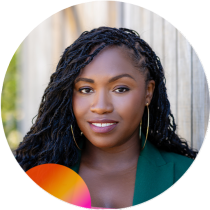
Clinical epidemiologist and postdoctoral fellow at Yale School of Medicine
Dr. Tiffany Younger is a clinical epidemiologist and postdoctoral fellow at Yale School of Medicine whose research examines the relationship between wealth and health. Her work investigates how wealth shapes both psychological and physiological well-being, particularly within Black communities, and advances innovative frameworks to better understand and address health equity and wealth inequality.
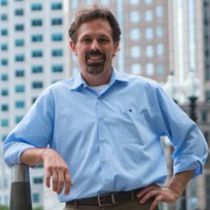
State and Local Policy Director at The New School’s Institute on Race, Power and Political Economy
David Radcliffe grew up in a small factory town of the Appalachian foothills in western Pennsylvania. Today, he lives with his family in Connecticut. Professionally, David is the State and Local Policy Director at The New School’s Institute on Race, Power and Political Economy. Previous work experiences include: policy director for the Office of Connecticut State Treasurer, where he championed implementation of the first-in-the-country “Baby Bonds” wealth building initiative; policy analyst with the Federal Reserve Bank of Boston; and, grassroots community organizer. He has a strong passion for working with people to build places and economies where everyone can live happy, fulfilling, prosperous, and productive lives.
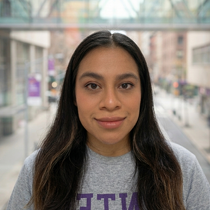
Head Assistant at the Purple Apron Pantry at Hunter College
Katherine Ames is a dedicated community leader, mentor, and current Head Assistant at the Purple Apron Pantry at Hunter College, recognized for her transformative work in elevating the collegiate food pantry.
The Invisible Americans Podcast, Inc is incorporated as a 501(c)(3) non-profit organization.
More information at the Charities Bureau Registry.


