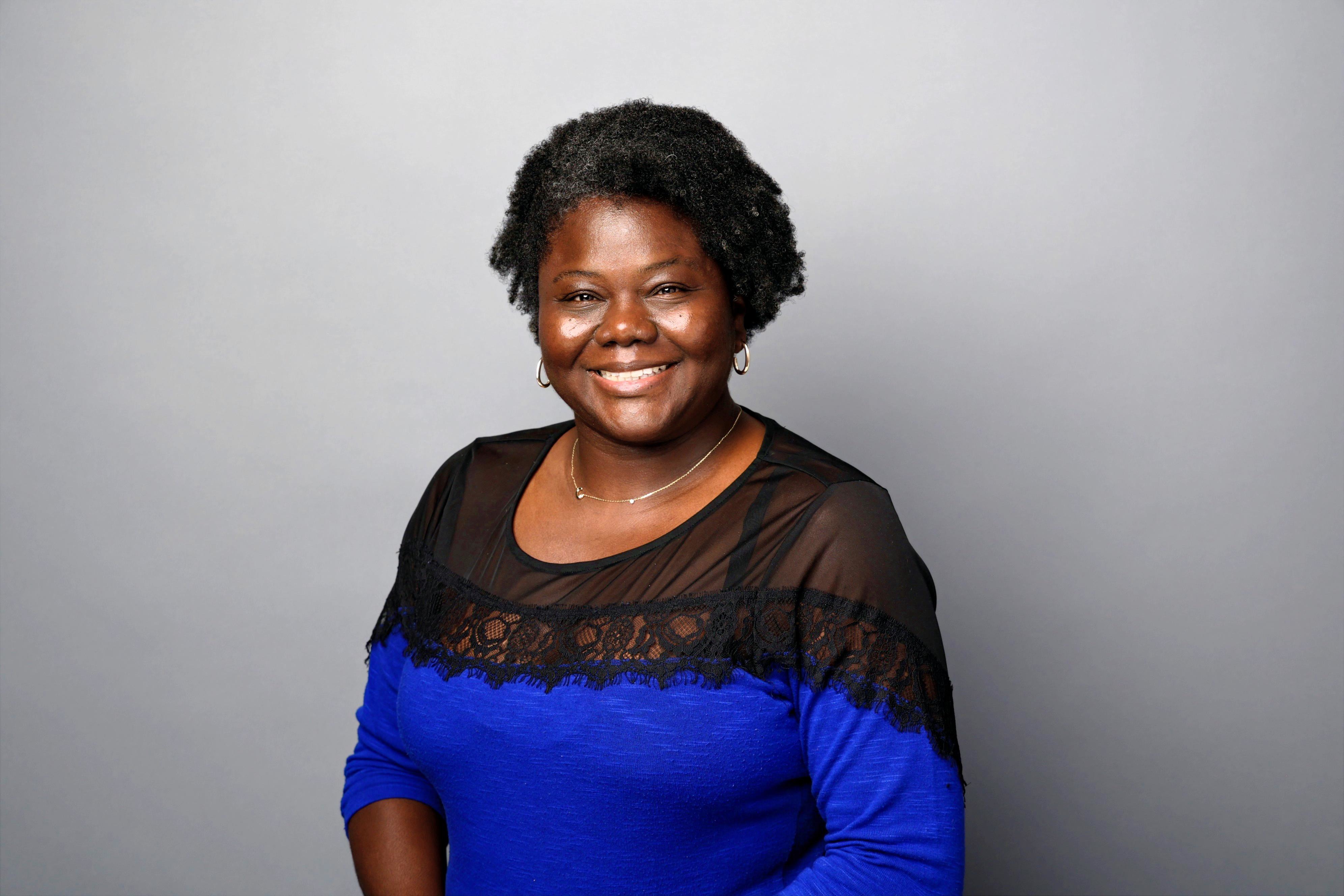
Chelesa Presley, executive director of Diaper Bank of the Delta, has dedicated her adult life to helping families with infants. She helps with breastfeeding, is a doula, and filled a need she saw as a community health worker: a dearth of diapers. Hundreds of thousands of diapers later, Chelesa does all this and more to honor the community spirit instilled in her by her grandmother, the late Ella Mae Judson.
Chelesa and her team had a physical storefront where families can come get diapers, but that brick-and-mortar place became a safe space for those families. They gave the families supplies, a place to breath, and a way to communicate their other needs. From this, Chelesa’s mission opened up.
Now, they have their storefront, partner programs, and a mobile program called Diaper Bank on the Move, which drives and delivers diapers across the state of Mississippi.
Not in Mississippi? Chelesa is also on the board of the National Diaper Bank Network, which “partners with a dedicated network of diaper banks, allied programs, generous donors, sponsors, and policymakers to end diaper need and period poverty in the United States.”
Chelesa’s organization is also active with the state legislature, currently working to remove the 7% “luxury” sales tax imposed on diapers and baby items that are actually necessities. Families need around 2500 diapers a year, and reducing or eliminating the tax burden on those items could greatly help families. She recently wrote an op-ed on this very subject. Read it here.
In addition, Chelesa conducts an eight-week intensive parenting class to help with postpartum issues, parenting skills, and school readiness. She’s also active in education and advocacy around access to menstrual products.
The Schuyler Center wants New York to invest in children from birth until age 13 in a way that’s truly universal: no exceptions, no needs testing, no immigration status check, no work requirements.
The current situation regarding child care in New York is dire, even with the current program that provides assistance for families that make 85% of the state’s median income.
And of course, the need for child care doesn’t stop while the families are waiting. Activists like Dede are currently waiting for the final version of the New York State budget to see exactly what the investment will be.
Dede’s hope:
“That we center the lowest income families as we build towards a universal program.”
What started as an idea to take kids to the movies became a record-holding GoFundMe. It started with two brothers and a movie trailer.
Due to their age gap, younger brother Brandon has a much different childhood than older brother Frederick. When they saw a trailer for the Marvel hit “Black Panther,” Brandon remarked he would like to see it, and Frederick shared how going to the movies was an event that many families have to save up for. Brandon wanted to help kids see the movie, and Frederick agreed.
Frederick initially thought of self-funding 50 or so movie tickets, and then he realized that GoFundMe might be a good avenue to expand the idea. His initial ask was $10,000, but the campaign quickly grew and the #BlackPantherChallenge was born, with more than 600 similar GoFundMe campaigns raising close to $1 million to help kids enjoy a day at the movies.
Frederick is no stranger to philanthropy, and he says that unfortunately, choosing where to give is the hardest part. There is so much need and so many spaces to help. Frederick and his team have an ethos of mutual aid. One way he does this is by raising money to stock and distribute “support packs” with $100 worth of food essentials, hygiene products, and a reusable water bottle to help battle the summer heat.
In Frederick’s opinion, a lot of people want to see their dollars working, and things like GoFundMe, CashApp, Zelle — and even fundraisers like his where he is on platforms like Instagram Live shopping at Costco — allow people to give in a “hyperlocal” or person-to-person way.
Frederick likes to have his hands “in the soil,” and he knows others want to be involved and hands-on. We live in a time of much need, but also of many ways to give.
Coming soon.
Founder and executive director of The Diaper Bank of the Delta
Chelesa Presley, founder and executive director of The Diaper Bank of the Delta, based in Clarksdale, Mississippi. Her program provides both direct service and also works with agency partners in the state. In addition to leading the diaper bank, Chelesa is a strong advocate for changing state and federal policy to end diaper insecurity. Chelesa also serves as a member of the NDBN board of directors.
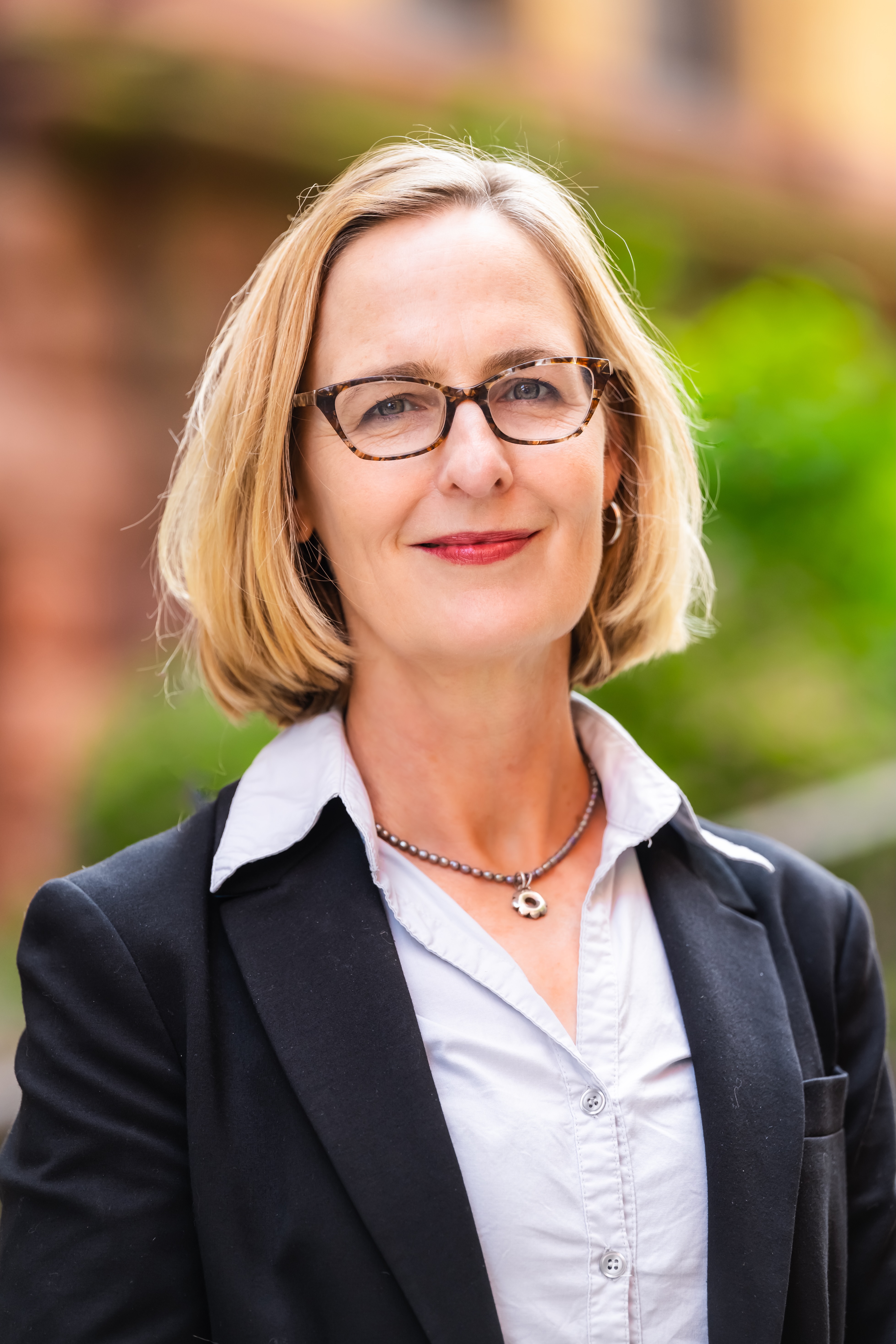
Vice President of Policy at Schuyler Center for Analysis and Advocacy
In this role, Dede coordinates the Schuyler Center’s policy team and conducts policy analysis and advocacy in the areas of child care and economic security as well as overseeing child welfare and health policy. Prior to joining the Schuyler Center, Dede was a Professor of Law at Albany Law School, where her teaching and scholarship focused on labor and employment law. While in academia, Dede was active in local and statewide efforts to aid working families by increasing the minimum wage and organizing for stricter enforcement of labor and immigration laws to prevent wage theft in low wage and immigrant worker sectors.
Dede earned a J.D. from the University of Wisconsin Law School, where she was a member of the Wisconsin Law Review, and a Bachelor of Arts from Vassar College.
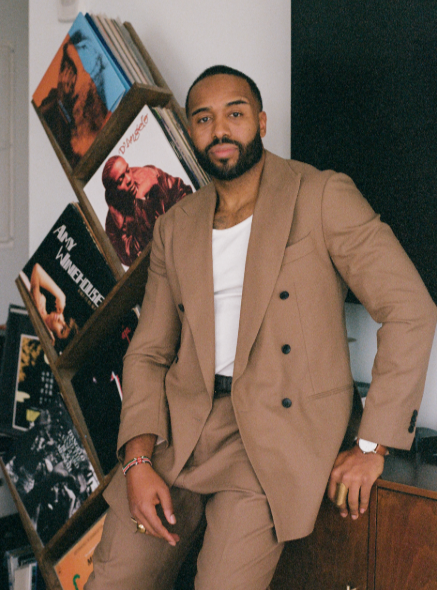
Bestselling author and philanthropist
Frederick Joseph is a three-time New York Times and USA Today bestselling author from Yonkers, New York. Joseph’s literary career is deeply intertwined with his advocacy and philanthropic work. He has been recognized on the Forbes 30 Under 30, honored with the Comic-Con Humanitarian of the Year Award, and named to The Root 100 list of Most Influential African Americans. His honors also include the Malcolm X and Dr. Betty Shabazz Vanguard Award and the Allyship Award at Lincoln Center’s Black Girl Magic Ball. A sought-after speaker, he has appeared at the UN HeForShe Summit and has partnered with Fortune 500 companies and national leaders to advance conversations around equity, culture, and social impact.
The Invisible Americans Podcast, Inc is incorporated as a 501(c)(3) non-profit organization.
More information at the Charities Bureau Registry.


